





How to Know When It’s Time to Replace Your Gym Flooring
Posted by Ardent Fitness on Jan 5th 2026
Your gym flooring is more than a surface—it’s the foundation for performance, safety, and comfort. The right flooring supports your movement, protects your equipment, and helps create a space where you actually want to train. Quality flooring makes your gym a place you enjoy spending time, supporting every rep, stride, and stretch while protecting both your body and your equipment.
Even the most durable materials wear down over time. Knowing when to replace your fitness flooring, and how to extend its lifespan, helps keep your space performing and looking its best.
Why Flooring Longevity Matters in Fitness Spaces
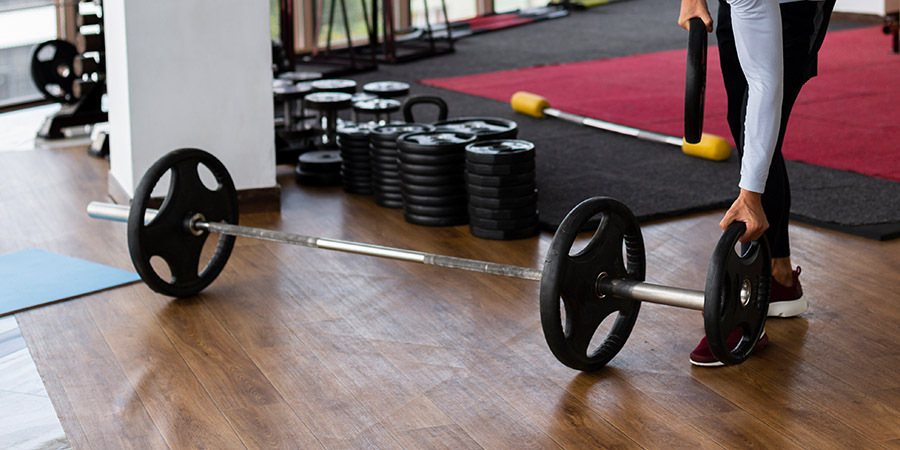
The right flooring improves comfort, absorbs impact, and protects both your equipment and your subfloor. It also helps define your gym’s look and function—creating a space that feels intentional, organized, and built for performance.
High-quality flooring plays a big role in safety and consistency. Over time, cheaper or worn materials can lose their density, making them less effective at absorbing shock or reducing noise. This not only affects your comfort during workouts but can also lead to damage to equipment or the floor beneath.
That’s why most gyms choose rubber flooring. It’s durable, easy to maintain, and performs well under constant use. Rubber flooring is naturally resistant to dents, scratches, and scuffs, and it can support heavy gym equipment and free weights without sustaining permanent damage
Worried about that rubbery smell? Learn more about choosing low-odor rubber flooring options for your gym.
Signs It’s Time to Replace Gym Flooring
Even durable materials like rubber or turf eventually show signs of wear. The key is knowing what to look for before minor issues become major problems.
Inspect your flooring regularly, especially in high-traffic areas—beneath weight racks, around cardio machines, and near entryways. Over time, pressure and friction can cause surfaces to break down, leading to uneven footing or reduced shock absorption.
Watch for:
- Cracks, tears, or lifted seams — signs of material fatigue or adhesive breakdown.
- Permanent indentations or flattening — reduced resilience and comfort.
- Surface discoloration or fading — often caused by UV exposure or cleaning agents.
- Increased noise or vibration — a clue that density and impact absorption are compromised.
- Moisture damage or odors — may indicate trapped water or poor ventilation.
If these issues appear—especially in multiple areas—it’s time to plan a replacement.
How to Extend the Life of Your Fitness Flooring
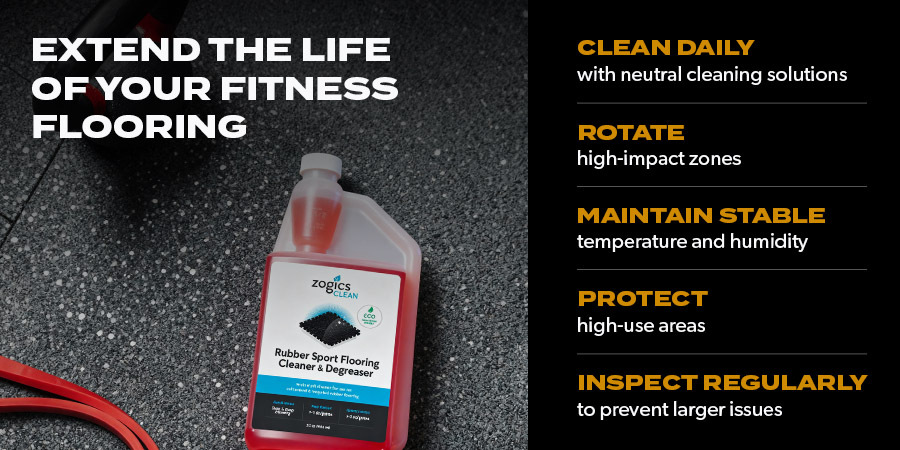
A consistent care routine can significantly extend the life of your flooring and reduce replacement costs.
Best practices include:
- Clean daily: Remove dust and grit with a vacuum or soft broom, and use pH-neutral or rubber-specific cleaning solutions to maintain elasticity and prevent chemical degradation.
- Rotate high-impact zones: Move equipment or rotate workout areas to distribute wear evenly.
- Maintain stable temperature and humidity: Prevent expansion, warping, or seam separation.
- Protect high-use areas: Add mats under weight racks or in drop zones.
- Inspect regularly: Address small tears or lifting edges immediately to prevent larger issues.
With proper care, rubber gym flooring can often exceed its expected lifespan.
Flooring Replacement Timelines and What to Expect
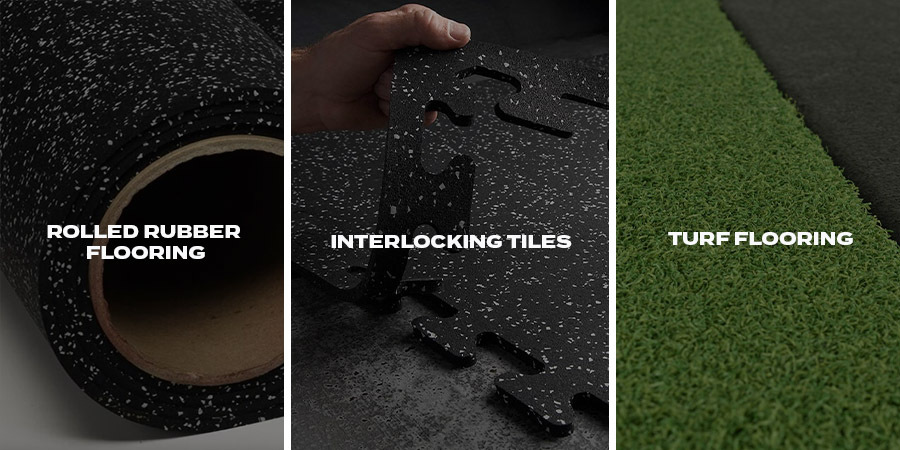
Every gym setup is unique, but understanding general lifespan ranges helps you plan ahead and budget for updates.
- Rolled Rubber Flooring: 10–15 years with proper care.
- Interlocking Tiles: 7–10 years, depending on usage intensity.
- Turf Flooring: 8–10 years before matting or seam issues appear.
According to industry data, a well-installed floor can last 10–15 years, but underspecified or neglected flooring may fail in under 3.
If you’re planning an equipment upgrade or home gym redesign, it’s the perfect time to evaluate your flooring. A proactive replacement keeps your space safe, functional, and inviting.
See also: luxury gym flooring options that balance style and performance.
Flooring Solutions from Ardent Fitness
When it’s time for replacement, Ardent Fitness offers flooring designed for long-term performance. Our experts provide tailored recommendations for both commercial and residential projects, helping you select the right flooring for your layout, usage, and goals.
Explore options including:
- Rolled Rubber Flooring — seamless, wall-to-wall coverage for a professional finish.
- Interlocking Puzzle Tiles — durable, economical, and easy to install.
- Turf Flooring — built for agility training and high-intensity use.
- Studio Flooring — ideal for yoga, dance, and multi-purpose spaces.
Your flooring carries every lift, stride, and step. Maintaining it isn’t just about aesthetics—it’s about safety, performance, and return on investment.
By monitoring wear, maintaining regularly, and partnering with experts like Ardent Fitness, you can make sure that your flooring continues to support your goals for years to come.
Visit ardentfitness.com to explore our full line of gym and fitness flooring solutions. Our team is here to help you choose the right product to support long-term performance and safety.
Related Articles
- Luxury Gym Flooring Options: Style and Functionality Combined
- Want Rubber Flooring Without the Smell? Go With Ecore
- The Ultimate Guide to Stress-Free Gym Design: From Concept to Completion