






The Gym Relocation Playbook: How to Move a Fitness Facility Without Disrupting Operations
Posted by Ardent Fitness on Jan 23rd 2026
Gym relocation is one of the most complex operational projects a fitness business can take on. Between commercial gym equipment, building requirements, and compressed reopening timelines, there is little margin for error. When a fitness facility move lacks structure, delays, downtime, and unexpected costs are almost inevitable.
With proper planning, gym relocation can be controlled, efficient, and predictable. The key is understanding what must happen before move day, during equipment relocation, and before reopening to members.
This guide outlines the core elements that experienced gym owners, multi-site operators, franchise developers, and facility operations teams focus on to keep a fitness facility relocation on track.

Why Gyms Relocate (And Why Most Regret Their Approach)
Gym relocation is rarely a casual decision. In most cases, it is driven by operational pressure, growth goals, or the need to adapt to changing market conditions. The challenge is not deciding to move, but deciding how the move will be handled.
Common Reasons Gyms Relocate
Most fitness facility relocations are triggered by one or more of the following:
- Lease expiration or renegotiation
Rising rents, unfavorable renewal terms, or changes in ownership often force gym operators to evaluate new locations. - Expansion and growth
Increasing membership can quickly expose limitations in floor space, ceiling height, or equipment layout. - Market repositioning
Relocating closer to target demographics or higher-traffic areas can support pricing strategy and brand perception. - Facility upgrades
Older buildings may restrict equipment options, power requirements, or overall operational efficiency.
While these drivers are common, many gyms underestimate the complexity of relocation until issues begin to surface.
The Hidden Costs of DIY Gym Relocation
Attempting to manage a gym relocation internally or relying on general movers without fitness-specific experience often leads to unintended consequences. What appears to be a cost-saving decision frequently introduces operational risk.
- Equipment damage from improper disassembly or handling
- Extended downtime caused by delayed approvals or missequenced installs
- Member churn due to prolonged closures or shifting reopening dates
These challenges affect revenue, staff scheduling, and member trust, often making recovery more difficult than anticipated.
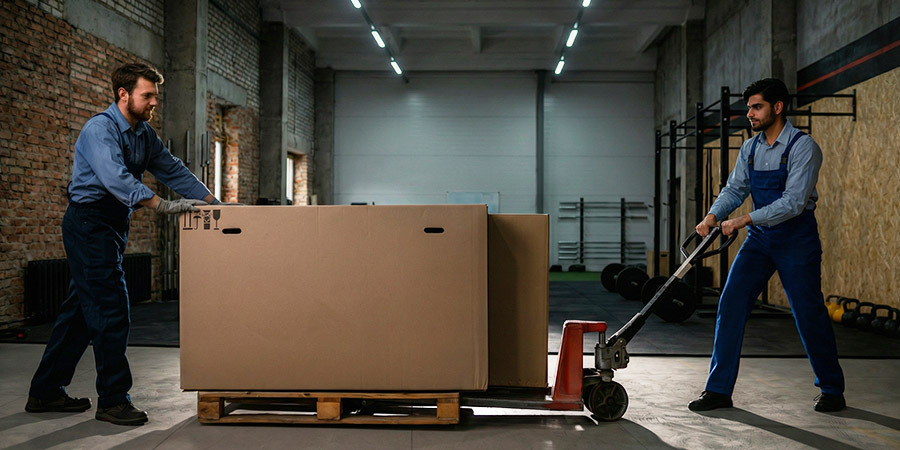
What Successful Gym Relocations Have in Common
Gyms that relocate successfully share one important trait: they rely on structure rather than improvisation.
- A clearly defined relocation timeline with assigned accountability
- A complete inventory of all gym equipment and accessories
- Early coordination with building management and freight elevator access
- A written move-day plan that aligns all crews and vendors
- Final calibration and testing before reopening to members
Gym Relocation Requires Early Planning and Timeline Management
Once the decision to relocate is made, early planning becomes the single most important factor in avoiding disruption. Treating gym relocation as a phased project rather than a single-day event creates room for coordination and informed decision-making.
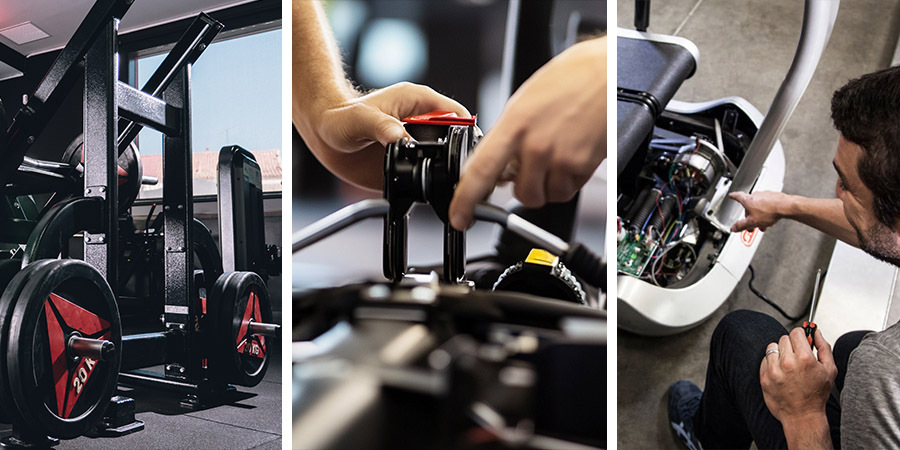
Equipment Inventory Is the Foundation of a Successful Gym Move
Commercial fitness equipment requires careful handling, disassembly, transport, and reinstallation. Without a complete gym equipment inventory, relocation teams are forced to make assumptions under pressure.
A proper gym relocation inventory should track:
- Equipment type, brand, and model
- Current condition and service history
- Disassembly and reassembly requirements
- Final placement within the new gym layout
This level of documentation helps prevent misplaced equipment, damage during transport, and incorrect installation after delivery.
Building and Elevator Coordination in Gym Relocation
Many gym relocations encounter delays due to building logistics rather than equipment issues. Freight elevator access, loading docks, certificate of insurance requirements, and approved move windows vary widely by property.
Coordinating with building management early helps teams:
- Reserve freight elevators and loading areas
- Confirm insurance and vendor approval requirements
- Align gym move schedules with building rules and access limitations
Early building and elevator coordination keeps move day focused on execution rather than approvals.
Move Day Should Follow a Written Gym Relocation Plan
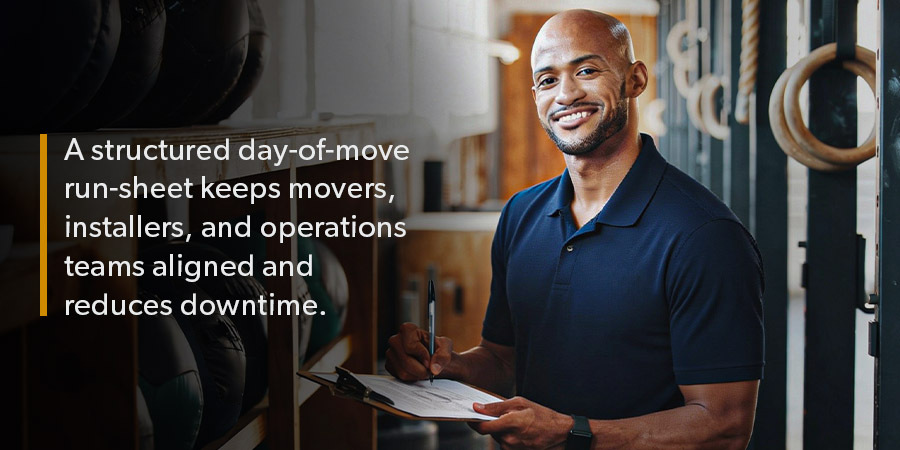
Move day should be guided by a clear gym relocation plan rather than on-the-fly decisions. A structured day-of-move run-sheet keeps movers, installers, and operations teams aligned and reduces downtime.
An effective gym move run-sheet includes:
- Arrival times and responsibilities for each crew
- Equipment staging, transport, and installation order
- Defined communication and decision-making paths
When everyone knows what is happening and when, the fitness facility move stays efficient and controlled.
Recalibration and Testing Before Reopening a Gym
Reopening a gym requires more than placing equipment on the floor. Calibration and testing ensure equipment performance, safety, and member confidence from day one.
Before reopening, teams should confirm:
- Equipment leveling and anchoring
- Console functionality and resistance calibration
- Proper spacing, traffic flow, and safety clearances
This final step protects equipment investment and supports a smooth return for members.
A Practical Gym Relocation Framework and Planning Tools
Most gym relocation challenges stem from missing structure, not lack of effort. A consistent relocation framework helps reduce uncertainty and keeps each phase of the fitness facility move aligned.
To support this process, Ardent Fitness developed The Gym Relocation Playbook, a practical resource built from real-world commercial gym relocations.
The Playbook Includes:
- A 60-day gym relocation timeline
- A gym equipment inventory template
- A building and freight elevator coordination checklist
- A day-of-move run-sheet
- A recalibrate and reopen checklist
Together, these tools help operators manage complexity while protecting uptime and equipment performance.
Book a Free Virtual Pre-Move Survey
If you’re planning a gym relocation—or even just starting to evaluate your options—a free Virtual Pre-Move Survey is the easiest way to reduce risk before timelines and costs are locked in. During this consultation, an Ardent Fitness specialist reviews your existing space, equipment mix, building constraints, and target reopening date to identify potential challenges early and outline a clear path forward. There’s no obligation—just expert insight to help you plan a smoother, more controlled fitness facility move from day one.